Assistive Technology

Assistive Technology (AT) can make everyday life safer, easier and more independent. It may include simple equipment such as shower chairs, walking aids and over-toilet frames, through to more complex supports such as wheelchairs, pressure care equipment, beds, hoists, communication devices and home modifications.

At IOH Health, our Occupational Therapists assess a person’s functional needs, goals, environment and safety risks to recommend assistive technology that is clinically appropriate, practical and aligned with the relevant funding pathway.

An OT Assistive Technology report is often essential when equipment needs to be justified, prescribed or funded. It provides the clinical evidence needed to explain why the equipment is required, how it supports the person’s goals, why it is safe and appropriate, and why it represents value for money.

Even where a formal report is not required to justify funding or expenditure, OT support can still be valuable in identifying suitable assistive technology. The right advice can help a person, family, provider or funder compare options, understand practical pros and cons, reduce the risk of purchasing unsuitable equipment, and make sure the item is matched to the person’s functional needs, environment, goals and likely future requirements.

Why an OT Assistive Technology Report Matters

A well-prepared AT report helps bridge the gap between a person’s functional needs and the right equipment solution. It supports:

Funding justification

The report provides clinical evidence explaining why the item is necessary, reasonable, safe and cost-effective. This is particularly important for NDIS mid-cost and high-cost AT, and for aged care AT-HM funding where health professional prescription or wraparound support may be required.

Safe and effective use

The OT considers the person’s physical, cognitive and psychosocial needs, their home environment, support network and any manual handling or falls risks. This reduces the chance of equipment being unsafe, unused or unsuitable.

Tailored recommendations

Assistive technology should not be one-size-fits-all. A suitable prescription considers the person’s goals, daily routines, home layout, carers, transport needs, future progression and personal preferences.

Trials, setup and training

For many items, the report may include trial outcomes, supplier quotes, setup requirements, training needs and recommendations for carers or support workers.

Better long-term outcomes

The right AT can improve independence, reduce reliance on paid supports, improve safety, support participation and help prevent functional decline.

The Benefits of Assistive Technology

Assistive technology can help people:
  • complete personal care tasks more independently
  • move around the home and community more safely
  • reduce falls, fatigue, pain and injury risk
  • improve pressure care, posture and positioning
  • reduce manual handling risks for carers and support workers
  • remain living at home for longer
  • participate in family, work, education, social and community life
  • reduce avoidable reliance on paid supports, hospital care or residential care
The broader value of AT is significant. The Australian Assistive Technology Equity Studies reported that an annual investment of $16 billion in assistive technology and home modifications could save $32 billion, with an estimated two-fold return on investment through savings in paid carers, support services and medical services. 2 The report also noted that this estimate did not include the potential cost benefit of preventing or delaying entry into residential care.

The Risk of Poor Equipment Prescription

Poorly selected assistive technology can create real risks. Equipment that does not match the person, task or environment may be abandoned, used incorrectly, or create new safety issues. An item may seem simple and readily available, but can it be repaired if there is a problem and is support available. An OT can guide you whether it needs trial or customisation, whether training is required, whether it may create new safety risks, and whether there are other lower-cost or more flexible alternatives. OT input can help determine whether equipment should be purchased, hired, trialled first, and likelihood of needing to review over time as a person’s needs change. Possible risks include:
  • falls or injury
  • pressure injuries or poor posture
  • unsafe transfers or manual handling risks
  • equipment being too large, too small or unsuitable for the home
  • wasted funding on equipment that is not used
  • increased carer burden
  • reduced independence and confidence
  • delays in achieving goals
  • avoidable requests for replacement equipment
  • inability to repair or get support
This is why assessment, trial, prescription, training and review are important parts of the AT process. The NDIS Joint Standing Committee noted the NDIS AT Strategy identified a 30% abandonment rate where people do not understand how to properly use their equipment or devices. This is why assessment, trial, prescription, training and review are important parts of the AT process. The NDIS Joint Standing Committee noted that the NDIS Assistive Technology Strategy identified a 30% abandonment rate when people do not understand how to properly use their equipment or devices.5 In the study Predictors of Assistive Technology Abandonment, Phillips and Zhao found that 29.3% of assistive devices were completely abandoned. 1 Abandonment was associated with factors including poor device performance, lack of user involvement in selection, easy device procurement and changes in user needs or priorities.

Funding for Assistive Technology, including equipment, devices and aids, may be funded by an insurance or support schemes. Select the tab to understand scheme based aspects of AT.  

How IOH Health Can Help

IOH Health’s Occupational Therapists can assist with:

  • functional assessments
  • home environment assessments
  • mobility and transfer assessments
  • falls risk and manual handling considerations
  • equipment trials and supplier liaison
  • AT prescription and clinical justification
  • NDIS Assistive Technology Reports
  • Assistive Technology Support Letters
  • Aged Care equipment prescription and review
  • ADL Assessments for Workers Insurance and other insurance schemes
  • recommendations for training, setup and safe use
  • review of whether equipment remains suitable as needs change

Our goal is to recommend assistive technology that is safe, practical, evidence-based and aligned with the person’s goals, funding pathway and home environment.
Need help?

IOH Health can assess your needs, recommend suitable equipment and prepare the supporting documentation required for NDIS, Aged Care, Workers Insurance and other insurance schemes.

IOH Health has a specialised NDIS Admin Team to ensure you get the right advice

As a Registered NDIS Provider you can be assured that IOH meet the government quality and safety requirements. We have accepted the responsibility to provide services at a higher level of quality. 

Regardless of how your NDIS Funds are managed we can support you.

Key Areas of Assistive Technology in OT:

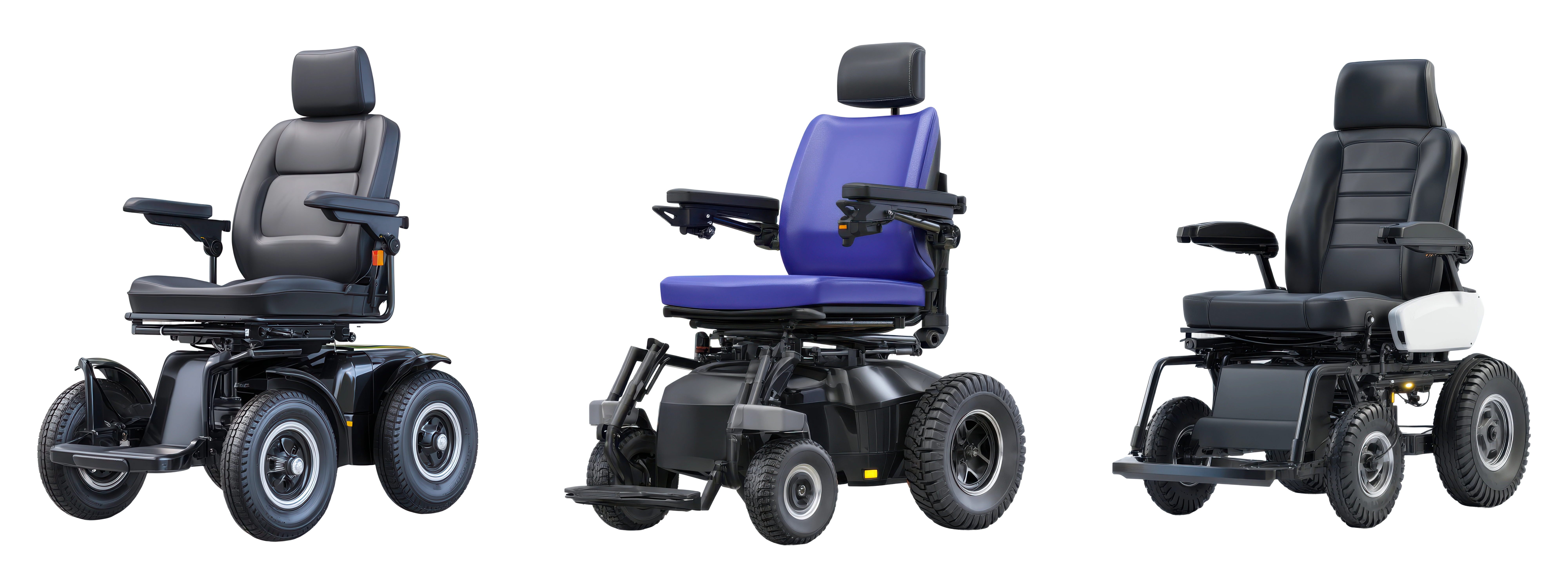
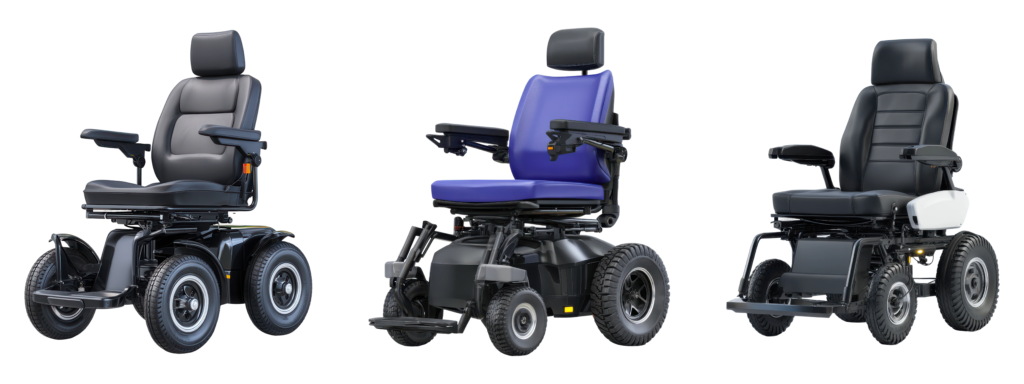
  • Mobility: Wheelchairs, power scooters, and walking frames.
  • Daily Living Aids: Adaptive cutlery, specialized dressing tools, and shower chairs.
  • Environmental Control: Smart home systems, Alexa, voice-activated lights, and automatic door openers.
  • Communication & Tech: Speech-generating devices, specialized keyboards, and screen magnifiers.
  • Cognitive Aids: Memory apps, digital planners, and locator devices.
  • Assessment: Functional evaluation to determine the best equipment.
  • Trial: Testing products to ensure they meet the user's needs.
  • Recommendation & Funding: Submitting reports to funding bodies like NDIS, My Aged Care, or an insurer for Workers Insurance, CTP or Income Protection.
  • Training: Teaching the client and caregivers how to use the device safely.

No, assistive technology is 

Sources

  1. Phillips, B. & Zhao, H. (1993). Predictors of Assistive Technology Abandonment . Assistive Technology, 5(1), 36–45.
  2. Layton, N. & Brusco, N. K. (2022). The Australian Assistive Technology Equity Studies: Improving access to assistive technology for people with disability who are not eligible for the NDIS . Monash University.
  3. National Disability Insurance Scheme. Assistive Technology .
  4. Department of Health, Disability and Ageing. Assistive Technology and Home Modifications Scheme .
  5. Parliament of Australia, Joint Standing Committee on the National Disability Insurance Scheme. Provision of services under the NDIS for people with psychosocial disabilities related to a mental health condition: Assistive Technology report, Chapter 3 . See paragraph 3.40, which notes the NDIS Assistive Technology Strategy identified a 30 per cent abandonment rate where people do not understand how to properly use their equipment or devices.

Ergonomic Assessment

Workstation Assessment

Option 1 ($198.00 per Assessment): Workstation Ergonomic Assessment (Basic) 

Assessment and set-up of workstation with personalised “Ergonomic Workstation Set-Up Sheet”, provided to the worker and/or employer. This will assist to determine the most appropriate workstation set-up based on the workers anthropometrics as a form of prevention for those who do not have any current clinical concerns. This option is also recommended to complete multiple assessments. The assessment will be conducted by an IOH Occupational Therapist/Exercise Physiologist/Physiotherapist. 

Option 2 ($396.00 per Assessment): Workstation Ergonomic Assessment (Standard) 

Assessment and set-up of workstation with personalised “Ergonomic Workstation Checklist” with a summary of the equipment/modification recommendations to be provided to the worker and/or employer. This will assist to confirm the most appropriate workstation set-up based on the workers anthropometrics to assist with the management of any clinical concerns impacting the worker. The assessment will be conducted by an IOH Occupational Therapist/Exercise Physiologist/Physiotherapist. 

Option 3 ($594.00 per Assessment): Workstation Ergonomic Assessment (Comprehensive) 

Assessment and set-up of workstation with personalised “Ergonomic Workstation Assessment Report” with specific equipment/modification recommendations to be provided to the worker and/or employer. This will assist to confirm the most appropriate workstation set-up based on the workers anthropometrics to assist with the management of any other clinical concern impacting the worker. The assessment will be conducted by an IOH Occupational Therapist/Exercise Physiologist/Physiotherapist. 

Vehicle Assessment

Option 1 ($198.00 per Assessment): Vehicle Ergonomic Assessment (Basic) 

Assessment and set-up of Vehicle with personalised “Ergonomic Vehicle Set-Up Sheet”, provided to the worker and/or employer. This will assist to determine the most appropriate set-up based on a workers anthropometrics as a form of prevention for those who do not have any current clinical concerns. This option is also recommended to complete for multiple assessments. The assessment will be conducted by an IOH Occupational Therapist/Exercise Physiologist/Physiotherapist. 

Option 2 ($396.00 per Assessment): Vehicle Ergonomic Assessment (Standard) 

Assessment and set-up of vehicle with personalised “Ergonomic Vehicle Checklist” and “Ergonomic Vehicle Set-Up Sheet” with a summary of the equipment/modification recommendations to be provided to the worker and/or employer. This will assist to confirm the most appropriate set-up based on a workers anthropometrics to assist with management of any other clinical concerns. The assessment will be conducted by an IOH Occupational Therapist/Exercise Physiologist/Physiotherapist. 

Option 3 ($594.00 per Assessment): Vehicle Ergonomic Assessment (Comprehensive) 

Assessment and set-up of workstation with personalised “Ergonomic Vehicle Assessment Report” and “Ergonomic Vehicle Set-Up Sheet” with specific equipment/modification recommendations to be provided to the worker and/or employer. This will assist to confirm the most appropriate set-up based on a workers anthropometrics to assist with management of any clinical concerns. The assessment will be conducted by an IOH Occupational Therapist/Exercise Physiologist/Physiotherapist. . 

For more information please get in touch

Phone: 02 4210 7222
Email: corporate@ioh.net


Hydrotherapy

Hydrotherapy

Personalised. Focused. Effective

Home » Wollongong

Hydrotherapy, also known as aquatic therapy or pool therapy, is a specialised form of exercise performed in water to support recovery and rehabilitation. It is commonly used for individuals with neurological conditions, injuries, or mobility challenges.

Taking place in a swimming pool, hydrotherapy leverages the natural resistance and buoyancy of water to promote circulation, alleviate physical symptoms, and improve mental well-being. The water’s soothing environment also reduces pressure on joints, making movement easier and less painful.

Guided by IOH Health trained physiotherapists and exercise physiologists, our hydrotherapy sessions are tailered to the individual.

Pre-Employment Medical Assessment

Pre-Employment Medical Assessment

Workplace Health

Home » Wollongong

Pre-employment medical assessments or pre-placement medical assessments are an important tool when assessing if a potential new worker may have a higher risk in performing the requirements of the job safely and effectively. They also form an important baseline for your workers, ensuring any future health concerns can be reviewed against the workers pre-employment health status.

An employer may also find it advisable to implement periodic medical assessments to monitor health and risk of your workforce and implement a clear Exit Medical process to document the health status of the employee at cessation of employment.

Components of an Employment Medical

    • Detailed medical history
    • Height, weight, waist to hip ratio, body mass index (BMI)
    • Cardiovascular examination. 
    • Musculoskeletal screen or more comprehensive functional assessment
    • Central nervous system examination
    • General physical examination
    • Urinalysis for diabetes or kidney / bladder disorders
    • Respiratory examination
    • Auditory Examination
    • Vision assessment including colour blindness

Additional Medical Testing may be requested to support the medical examination including Audiometry, Spirometry, DLCO Respiratory Testing, Drug and Alcohol Screening (instant screening or lab), Functional Assessment. 

Our nursing team can also provide complementary services such as Vaccinations, Respirator Fit Testing or Ear Fit Testing (Hearing Protection Devices).

Statutory Medicals

Business owners may also be required to manage worker health and manage safety risks by having their workers undertake legislated statutory medicals. These may be clearance medical assessments or part of medical monitoring program (health surveillance).  See below for the numerous statutory medicals our medical team are competent and certified to perform.

Physiotherapy

Physiotherapy

Personalised. Focused. Effective

Home » Wollongong

Whether life, play or work has affected your physical health, our experienced team of physiotherapists and exercise physiologists can assist with assessment and treatment to get you back to fitness. Jump to view our Wollongong Physiotherapists.

Patients can access private health and Medicare referral funding, and IOH Health also provide physiotherapy interventions for:

  • Workplace Health, including Workers Compensation to assist in recovery from workplace injury and managing Employee Assistance Programs to keep workers fit and niggle free.
  • NDIS participants with our Disability Services team, helping guide functional goals and with capacity building.

IOH Health is committed to evidence based treatments, incorporating multiple modalities are available to suit your condition including:

  • soft tissue massage
  • Shockwave Therapy (also know as Extracorporeal Shockwave Therapy [ECST] or Rapid Pressure Wave [RPW] Therapy)
  • joint mobilisation
  • myofascial release
  • Spray and Stretch
  • heat treatment
  • ultrasound
  • electrotherapy
  • stretching exercises
  • strengthening exercises
  • home management programs
  • dry needling
  • the Pilates (pil-art’-iz) Exercise Program

Our Wollongong Physiotherapists

Grant Mackay

Physiotherapy Manager

Grant Mackay

Qualifications:

  • Bachelor of Applied Science (Physiotherapy)
  • Master of Clinical Physiotherapy (Manipulative Therapy)
  • Accredited Mulligan Concept Teacher (MCTA)

Experience:

14 years of experience as a physiotherapist providing physiotherapy across the Illawarra and in Perth, WA. Four years experience providing postgraduate training to physiotherapists.

Fun Facts:

  • Keeps busy with two small children when not at work.
  • Enjoys the outdoors, can be found on weekends bushwalking on the escarpment or kayaking on the Minnamurra river.
  • Is an avid geocacher.
  • Is one of three teaching members of the Mulligan Concept in Australia.

Philosophy:

I love working with people to understand what is important to them, and providing physiotherapy that helps people reach their goals by combining hands on physiotherapy, exercise and other treatment based on current scientific research.

Tristan Devitt

Senior Physiotherapist 

Tristan Devitt

Qualifications:

  • Bachelor of Health Science (Hons)
  • Masters of Physiotherapy

Experience:

  • Musculoskeletal physiotherapy since 2016
  • Certified Mulligans Practitioner 
  • Dry Needling
  • Hydrotherapy
  • Extracorporeal Shockwave Therapy

Fun Facts:

  • Has three small children who have lots of fun playing in the backyard
  • Enjoys swimming, climbing, surfing and running
  • Can recommend some good country music

Philosophy:

Movement is so important to our wellbeing and it’s a privilege to help people in this way.

Matt Cechet

Senior Physiotherapist 

Qualifications:

  • Bachelor of Physiotherapy

Experience:

  • 5 years of experience working as a physiotherapist in occupational, musculoskeletal, hospital and sporting settings. Matt’s special interests are in preventive care and maximising individuals’ functional potential.
  • Sporting/CTP/Workcover injuries.
  • Pre-employments and functional capacity assessments.
  • Dry needling
  • Mulligan’s concepts.

Fun Facts:

  • Has to duck down to go through doors.
  • Can be found at the bottom of the ocean on weekends.

Philosophy:

The only bad workout is the one that didn’t happen.

Dean Braidotti

Senior Physiotherapist 

Qualifications:

  • Bachelor of Health Science/Masters of Physiotherapy 2018
  • Sports Physiotherapy Level 2
  • Dry needling
  • Certified Mulligan Practitioner
  • Kinetic Link Training (KLT) Practitioner

Experience:

Dean has experience in treating:

  • musculoskeletal injuries including work related injuries and sporting injuries, including extensive experience in acute management of injures on the sports field where he managed the treatment of an AFL club, spanning across 3 teams.
  • neurological injuries such as stroke and spinal cord injuries
  • cardiorespiratory conditions.

Dean is well versed in the array of assessment tools required for comprehensive pre-employment and functional capacity assessments.

Dean has developed the unique skills and knowledge to provide appropriate physiotherapy interventions for NDIS and aged care clients. He is currently completing further training in geriatric physiotherapy.

Fun Facts:

  • Father of two young boys — knows “silence is suspicious”.
  • Picks up hobbies and sports with Olympic intensity… until the next shiny obsession appears.

Philosophy:

Everyone will experience their condition or injury differently and I enjoy the process of figuring out what is holding that person back and what treatment will work best for them.

Queensland Coal Mine Workers Health Scheme

All workers in the Queensland coal industry are required to undergo a Coal Mine Workers (CMW) Health Assessment. 

The medical program is overseen by Resources Safety & Health Queensland (RSHQ). An employer must appoint an AMA (Appointed Medical Advisor) whose role is to carry out, supervise and report on health assessments for the employers of coal mine workers. Your medical examinations for coal mine worker health assessments may be performed by an Examining Medical Officer (EMO) under the supervision of an AMA. AMAs and EMOs are registered with RSHQ as examining doctors.

The medical assessment must be carried out before the person is employed and periodically thereafter – with a complete assessment performed at least once every five years.

IOH is also a registered spirometry (lung function) practice under the Coal Mine Workers’ Health Scheme. This means IOH Health follows and is accredited against the most comprehensive spirometry standards. 

What is assessed at a Qld Coal Mine Workers Medical?

  • Medical History
  • Audiometric (Hearing) Test
  • Auditory Canal Examination
  • Vision Test
  • Respiratory Questionnaire
  • Spirometry (Lung Function)
  • Abdomen Examination
  • Skin Examination
  • Urinalysis
  • Cardiovascular System Examination
  • Musculoskeletal System Examination
  • Chest x-ray (ILO Standard). Performed by registered X-Ray Imaging Practice and reported on by Lungscreen Australia

Dual Medicals and other services

IOH Medical Professionals are approved for both NSW Coal and Qld Coal, and can also perform a specific pre-employment medical assessment in the one appointment. 

Common additional services for Coal Mine Workers include: 

  • comprehensive functional assessment by a qualified Physiotherapist, Exercise Physiologist or Occupational Therapist
  • Drug and Alcohol Testing
  • Respirator Fit Testing
  • Ear Fit Testing

Call 02 4210 7200 to book.

Isocyanates Medical Monitoring

If you have workers exposed to isocyanates then special attention is required to meet your WHS obligations for health monitoring. SafeWork NSW provides a general fact sheet to help businesses (PCBU) manage the risks of isocyanates in the workplace.

IOH’s experienced registered medical providers will conduct your monitoring program in line with Safe Work Australia’s Health monitoring: Guide to Isocyanates

Biological exposure standard for isocyanates1

Urinary isocyanate-derived diamine:

1 μmol/mol creatinine

Workers should undergo medical assessment before starting work in an “at risk” role to assess their medical baseline.

The registered medical practitioner will then recommend an initial monitoring program that may include reviews at six weeks, 12 weeks, six months and twelve months post commencement during continued exposure. Where
monitoring after 12 months shows no adverse health effects the registered medical practitioner may recommend annual monitoring.

On exit a final medical examination should be carried out by the registered medical practitioner.

Examples of work activities involving isocyanates that require special attention when
assessing exposure include:

  • all stages of manufacture and use where free isocyanates are released as vapours,
    aerosols and mists:

    • spray painting, using two-pack paints with an isocyanate hardener, like in
      vehicle paints
    • use of rigid foams for thermal insulation in refrigerators, storage tanks,
      packaging and furniture
    • use of flexible foams for bedding and upholstery
    • use of hard wearing coatings for furniture and floors
    • manufacture of sporting goods such as skis, surfboards and footwear, and
    • spray on polyurethane products used as protective coatings for truck beds,
      trailers, boats, foundations and decks
  • processes where heat decomposition of polyurethane products occurs, such as
    welding, heat removal of electrical insulating varnishes and hot wire cutting of
    foam, and
  • foundry operations, in particular core making, where resins used to bind the sand may contain isocyanates (for example the ‘Iso-Cure process’).

Confined Spaces Medical

Confined space medicals have been designed to evaluate a worker’s capacity to work within confined space environments safely and without risk of developing or aggravating an injury and/or medical condition.

Confined spaces are those that are not designed for continuous occupancy and pose a potential health and safety risk for those required to perform work within them for a duration of time. Potential confined spaces include vessels, tanks, silos, pipes, tunnels, pits and/or equipment housings.

The medical status of a worker can change over time and so IOH recommends implementing a periodic confined spaces health assessment program. 

The assessment will include spirometry and respiratory fit testing can also be completed in our clinic ensuring you have an efficient and streamlined assessment program for your team. 

Respirator Fit Testing

Respiratory Protective Equipment (RPE) is common in many workplaces with the purpose of protecting an individual from inhaling hazardous particles, such as dust or airborne pathogens like COVID-19. However, every person has a different face and the degree of protection can vary depending on the fit of a particular make and model of respirator. IOH can help ensure the right protector is in use to keep your team members safe. 

IOH Respirator Fit Testing (RespFit) uses the advanced TSI PortaCount™ device for a consistent and objective testing experience providing quantitative fit test (QNFT). The testing process includes movements and speaking scenarios to ensure fit is maintained during common work activity. 

Fit testing can be conducted on many N95 masks including Half-mask, full-face, Disposable filtering-facepiece fit testing for Series 100/99/95/P1/P2/P3 masks, SCBA (Supplied Air Respirators) gas masks, CABA (Compressed Air Breathing Apparatus) masks and even PAPR (Powered Air Purifying Respirators).

Coal Worker’s Pneumoconiosis (Black Lung Disease), Asbestosis and Silicosis are common conditions a fit test is focused on protecting against. IOH’s team have also been called upon by our health network to provide fit testing for hospital staff to protect our frontline workers from transmittable respiratory infections like Covid-19. 

Respirator Fit Testing can be provided in our Wollongong Clinic or onsite.

Vocational Assessment

A Vocational Assessment is an objective evaluation of an individual’s current and expected capacity for work, their experience, qualifications, transferrable skills and vocational goals, which helps to identify suitable job options. A Labour Market Analysis may also be completed to determine which of the job options are most viable giving consideration to the location, job demand, income and market trends.


When an injury or illness may be preventing a safe return to work in your pre-injury role or workplace, a vocational assessment is a valuable tool to guide the next steps to returning to work. The assessment is conducted by a qualified rehabilitation counsellor or psychologist, under the supervision of an Approved Workplace Rehabilitation Provider (WRP).

Experience and Transferrable Skills

Often we are poor at understanding our own capabilities and skills. Our expert team will use a proven interview techniques to uncover the skills and knowledge an individual has developed throughout their life. These skills may come from previous work, but also personal endeavours and experiences. Transferrable skills can be quite broad including:
  • Interpersonal skills
  • Collaboration
  • Multi-tasking
  • Adaptability and Flexibility
  • Creativity
  • Problem Solving
  • Decision Making
  • Critical Thinking
  • Attention to Detail
  • Computer Literacy
  • Leadership
  • Written and verbal communication
  • Research skills

Vocational Counselling

Our experienced team of Rehabilitation Counsellors and Psychologists may also provide vocational counselling to help establish realistic employment goals, explore new opportunities and help individuals restore their confidence in finding suitable employment. 

Training 

Eligible workers may also be able to access support for training to develop new skills or qualifications to transition into a different role eith r with their pre-injury employer or somewhere new. Your rehabilitation consultant will help identify if this is a effective and available pathway to return you safely to work.

IOH is a participating member in the Australian Rehabilitation Providers Association (ARPA). ARPA fosters communication in the rehabilitation industry to promote and advance recovery, restoration, return to work and return to independence of people with injuries and diseases. Our involvement with ARPA is our commitment to providing our clients with best practice workplace rehabilitation.

Functional Assessment

A functional assessment is used to provide feedback on the risk of injury of a worker in performing a certain role and taking about an hour to complete. 

We also offer more comprehensive Functional Capacity Evaluation (FCE) service for Workers Compensation Claims and Medico-legal, involving Assessment and comprehensive report.

The most common time a functional assessment is used is for pre-employment or pre-placement. These are therefore commonly know as pre-employment functional assessments (PEFAs). 

The components of a functional assessment may be prescribed by a statutory body or company requirements, or developed by our expert physical assessors for the specific demands of the role.  

Some areas and testing including:

  • Height, Weight, BMI, waist-to-hip ratio and Blood Pressure
  • Musculoskeletal, Range of Movement and Flexibility Tests 
  • Postural Tolerances, including planking, kneeling and squatting.
  • Cardiovascular Fitness using Step Test.
  • Lifting and Reaching, including overhead 
  • Carrying
  • Manual Handling Assessment
  • Push and Pull
  • Grip Strength
  • and other Job Specific Testing
Functional Assessment is beneficial for any role that has physical demands, but can also be helpful for risks associated for sedentary workers.Appropriate functional testing can ensure you hire the right candidates to minimise future risk of workplace injury, protecting workers and making your workplace safer, demonstrating your commitment to Work Health and Safety (WHS) and your legislated obligations to your workforce.
 

If you wish to pursue employment of a worker who is flagged as higher risk, the functional assessment can help direct investment in health and wellness, or workplace modifications to support that worker stay safe at work. 

A Functional Assessment will commonly take an hour to complete, although some short form functional assessments are available. Participants must wear suitable active wear with enclosed footwear to complete testing.

Same Employer Rehabilitation

IOH is here to provide the expert guidance to help individuals recover at work after an injury. Our consultants are experienced in identifying the risks and barriers for safely returning to work, helping implement evidence based strategies and forming a collaborative Recover at Work Plan. 

Although the worker recovering from injury is the center of the plan, there are many stakeholders involved who we need to work together to achieve success. These stakeholders typically include the treating doctor and other treating professionals, the employer (including supervisors and team mates), the insurer case manager and the workers personal support network (family and friends).

The Recover at Work plan is specific and goal oriented, including graded increases in duties as capacity is reviewed and certified by the treating doctor. Our plans are focused on ensuring a safe and durable return to work.

IOH consultants facilitate frequent communication between the stakeholders involved in an individual’s return to work, including the treatment team, employer and insurer case manager. 

Your Same Employer consultant will:

  • Identify and mitigate the essential physical, psychological, social, environmental, and organisational risk factors and obstacles that could affect a worker’s successful return to work.
  • Determine potential suitable, adapted, and alternative duties aligned with the rehabilitation objectives and expected recovery timeframes.
  • Update the Recover at Work Plan and ensure all parties are communicated with keeping everyone working together towards the same plan
  • Be responsive in addressing concerns raised by any of the stakeholders involved.
  • Attend medical reviews (case conferences) to ensure certified capacity informs the recover at work plan.
  • Undetake regular workplace review meetings.

At IOH our experienced and qualified rehabilitation specialists provide services such as:

  • Workplace Assessments and Recover at Work 
  • Return to Work with New Employer and Redeployment
  • Psychological Injury Rehabilitation
  • Functional Capacity Evaluations (FCE)
  • Vocational Assessments

IOH is a participating member in the Australian Rehabilitation Providers Association (ARPA). ARPA fosters communication in the rehabilitation industry to promote and advance recovery, restoration, return to work and return to independence of people with injuries and diseases. Our involvement with ARPA is our commitment to providing our clients with best practice workplace rehabilitation.

Need Assistance?
We are here to help

Quick Enquiry