
Assistive Technology (AT) can make everyday life safer, easier and more independent. It may include simple equipment such as shower chairs, walking aids and over-toilet frames, through to more complex supports such as wheelchairs, pressure care equipment, beds, hoists, communication devices and home modifications.
At IOH Health, our Occupational Therapists assess a person’s functional needs, goals, environment and safety risks to recommend assistive technology that is clinically appropriate, practical and aligned with the relevant funding pathway.
An OT Assistive Technology report is often essential when equipment needs to be justified, prescribed or funded. It provides the clinical evidence needed to explain why the equipment is required, how it supports the person’s goals, why it is safe and appropriate, and why it represents value for money.
Even where a formal report is not required to justify funding or expenditure, OT support can still be valuable in identifying suitable assistive technology. The right advice can help a person, family, provider or funder compare options, understand practical pros and cons, reduce the risk of purchasing unsuitable equipment, and make sure the item is matched to the person’s functional needs, environment, goals and likely future requirements.
Why an OT Assistive Technology Report Matters
A well-prepared AT report helps bridge the gap between a person’s functional needs and the right equipment solution. It supports:
Funding justification
The report provides clinical evidence explaining why the item is necessary, reasonable, safe and cost-effective. This is particularly important for NDIS mid-cost and high-cost AT, and for aged care AT-HM funding where health professional prescription or wraparound support may be required.
Safe and effective use
The OT considers the person’s physical, cognitive and psychosocial needs, their home environment, support network and any manual handling or falls risks. This reduces the chance of equipment being unsafe, unused or unsuitable.
Tailored recommendations
Assistive technology should not be one-size-fits-all. A suitable prescription considers the person’s goals, daily routines, home layout, carers, transport needs, future progression and personal preferences.
Trials, setup and training
For many items, the report may include trial outcomes, supplier quotes, setup requirements, training needs and recommendations for carers or support workers.
Better long-term outcomes
The right AT can improve independence, reduce reliance on paid supports, improve safety, support participation and help prevent functional decline.
The Benefits of Assistive Technology
Assistive technology can help people:- complete personal care tasks more independently
- move around the home and community more safely
- reduce falls, fatigue, pain and injury risk
- improve pressure care, posture and positioning
- reduce manual handling risks for carers and support workers
- remain living at home for longer
- participate in family, work, education, social and community life
- reduce avoidable reliance on paid supports, hospital care or residential care
The Risk of Poor Equipment Prescription
Poorly selected assistive technology can create real risks. Equipment that does not match the person, task or environment may be abandoned, used incorrectly, or create new safety issues. An item may seem simple and readily available, but can it be repaired if there is a problem and is support available. An OT can guide you whether it needs trial or customisation, whether training is required, whether it may create new safety risks, and whether there are other lower-cost or more flexible alternatives. OT input can help determine whether equipment should be purchased, hired, trialled first, and likelihood of needing to review over time as a person’s needs change. Possible risks include:- falls or injury
- pressure injuries or poor posture
- unsafe transfers or manual handling risks
- equipment being too large, too small or unsuitable for the home
- wasted funding on equipment that is not used
- increased carer burden
- reduced independence and confidence
- delays in achieving goals
- avoidable requests for replacement equipment
- inability to repair or get support
Funding for Assistive Technology, including equipment, devices and aids, may be funded by an insurance or support schemes. Select the tab to understand scheme based aspects of AT.
Assistive Technology Under the NDIS
The NDIS funds assistive technology where it is related to the participant’s disability, supports their goals, is evidence-based, is considered an NDIS support, and meets reasonable and necessary requirements. The NDIA considers both the cost and risk of the item when deciding what evidence, assessment or approval is needed.
NDIS AT funding categories
Low-cost assistive technology
Low-cost AT is generally under $1,500 per item. These items are often available from general retailers and may include items such as walking sticks, basic shower chairs, adapted cutlery, non-slip mats or handheld magnifiers. Low-cost, low-risk AT is usually purchased from the participant’s Core – Consumables budget, where funding is available.
Even for low-cost items, the NDIS recommends seeking advice before purchase to make sure the item is safe, suitable and value for money.
Mid-cost assistive technology
Mid-cost AT generally costs between $1,500 and $15,000. These items are usually more complex and may require advice from an AT advisor, such as an OT, physiotherapist, speech pathologist, continence nurse or other qualified practitioner.
For mid-cost AT, participants may need evidence such as a letter, email or report from an allied health practitioner or AT advisor showing why the equipment is suitable.
High-cost assistive technology
High-cost AT generally costs more than $15,000. These are complex items that usually require assessment by a suitably qualified AT assessor. The NDIA may require trials, quotes and detailed clinical justification before approving funding.
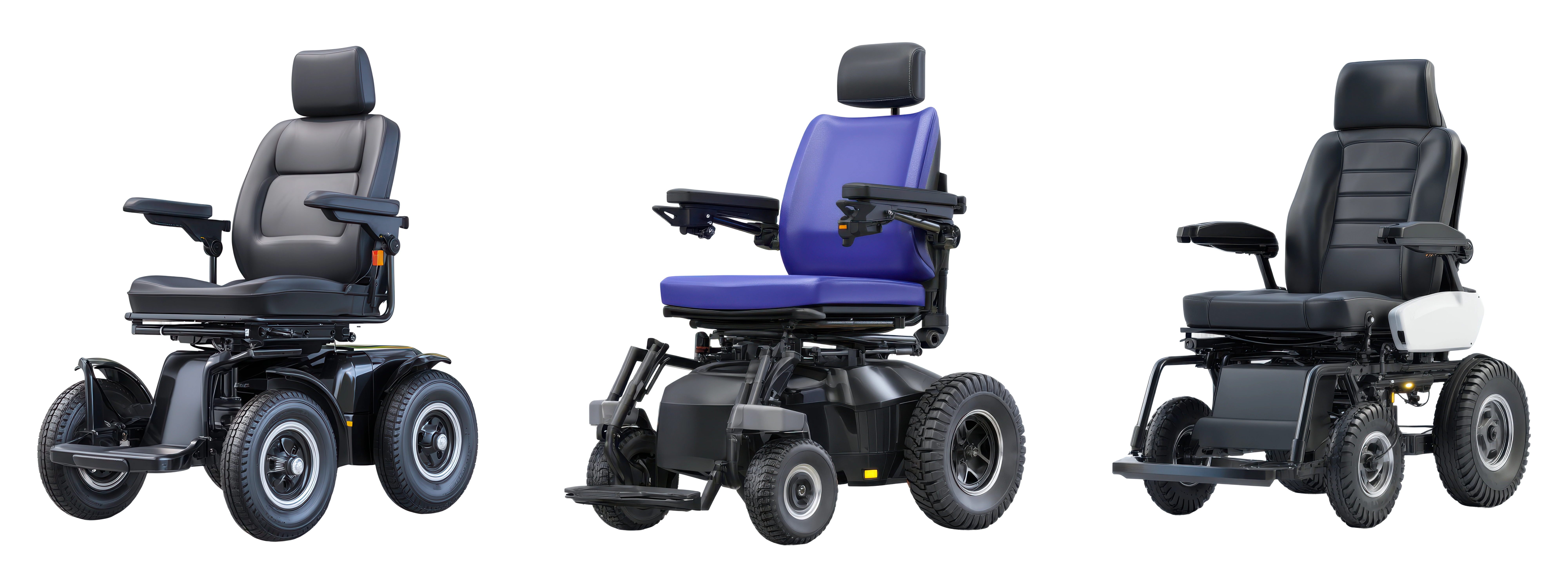
Examples may include powered wheelchairs and seating, some vehicle modifications, prosthetics and other complex customised equipment.
What an NDIS AT OT report may include
An NDIS AT report may include:
- the participant’s disability-related functional needs
- current supports, risks and barriers
- goals linked to the requested equipment
- assessment findings and functional observations
- trial outcomes and comparison of options
- why lower-cost alternatives are not suitable, if relevant
- safety considerations and risk management
- supplier quotes and specifications
- training, setup and support needs
- maintenance, repair or replacement considerations
- how the recommendation represents value for money
NDIS-funded AT may also include repairs and maintenance. For urgent repairs, the NDIA describes urgent repair as where AT stops working, backup supports are not available, and there is a risk to safety or wellbeing. Repairs and maintenance should be included where approved AT funding is in the participant’s plan.
Assistive Technology Under Aged Care
Assistive technology and home modifications are also available through the Assistive Technology and Home Modifications (AT-HM) scheme under Support at Home. This scheme is designed to help older people live safely and independently at home.
Unlike ongoing Support at Home service budgets, AT-HM provides separate access to equipment and home modification funding, so participants do not need to save up funds from their quarterly budgets for ongoing services.
Accessing AT-HM funding
Older people are assessed for AT-HM as part of their aged care assessment. If required, they may be approved for:
- an assistive technology funding tier
- a home modifications funding tier
- or both
The approval is outlined in the person’s Notice of Decision and support plan.
Aged Care AT funding tiers
The current AT-HM assistive technology funding tiers are:
| Funding tier | Amount |
|---|---|
| Low | Under $500 |
| Medium | Up to $2,000 |
| High | Up to $15,000, or more if needed |
This funding can cover the equipment item, prescription from a health professional where needed, wraparound supports to ensure safe and effective use, and administration or coordination activities.
Participant contributions
Under Support at Home, AT-HM items are categorised as independence services, so participants may need to contribute to some of the cost depending on their income and assets assessment. However, prescription and wraparound services are categorised as clinical supports and are fully funded by government, meaning participants cannot be asked to contribute to those clinical support costs.
Examples of Aged Care AT
Assistive technology under aged care may include:
- mobility equipment, such as walking sticks, walking frames and wheelchairs
- toileting supports, such as commodes and bedpans
- bathing equipment, such as shower chairs and bath boards
- self-care products
- communication and information management products
- products to support body function
- domestic life supports
- home modification products
My Aged Care states that assistive technology and home modifications are intended to help older people live safely at home and within their community, and that access requires an assessment through My Aged Care.
NDIS and Aged Care: What’s the Difference?
| Area | NDIS | Aged Care / Support at Home |
|---|---|---|
| Primary purpose | Disability-related supports for eligible participants | Supports for older people to live safely and independently at home |
| Funding basis | Must be disability-related, evidence-based and meet NDIS support rules | Assessed through My Aged Care and approved through AT-HM funding tiers |
| AT categories | Low-cost under $1,500; mid-cost $1,500–$15,000; high-cost over $15,000 | Low under $500; medium up to $2,000; high up to $15,000 or more if needed |
| Evidence needed | Depends on cost and risk; reports often required for mid/high-cost or higher-risk AT | Prescription and wraparound support may be included where clinically required |
| Participant contribution | Depends on plan management and available NDIS funding; no general aged-care-style co-contribution | AT items may involve participant contribution; clinical prescription and wraparound services are government funded |
| OT role | Functional assessment, equipment trial, prescription, report, quotes, training and review | Assessment, prescription, safe implementation, support plan evidence and review |
Assistive Technology in Workers Insurance and Other Insurance Schemes
Assistive technology may also be relevant outside the NDIS and Aged Care systems, including in Workers Insurance, motor accident insurance, income protection, public liability, life insurance and other compensation or injury-related schemes. In these settings, an Activities of Daily Living (ADL) Assessment may identify whether equipment, aids or modifications could support a person’s recovery, safety, independence or return to function. Assistive technology may be recommended as either:- temporary support, such as equipment required during recovery from surgery, injury or acute functional decline
- permanent support, where a person has ongoing functional limitations and requires long-term equipment, environmental changes or support strategies
- graduated support, where equipment needs may change over time as the person recovers, deteriorates or adapts to their condition
Where return to work is a core goal, assistive technology can help bridge the gap between a worker’s current capacity and the physical or cognitive demands of their role. IOH Health can assess whether equipment, ergonomic aids or workplace modifications may enable suitable duties, reduce injury risk, support productivity and assist with a safe and sustainable return to work. These recommendations may be considered for employer-funded or insurer-funded support, depending on the claim, workplace obligations and agreed return-to-work arrangements.
How IOH Health Can Help
IOH Health’s Occupational Therapists can assist with:
- functional assessments
- home environment assessments
- mobility and transfer assessments
- falls risk and manual handling considerations
- equipment trials and supplier liaison
- AT prescription and clinical justification
- NDIS Assistive Technology Reports
- Assistive Technology Support Letters
- Aged Care equipment prescription and review
- ADL Assessments for Workers Insurance and other insurance schemes
- recommendations for training, setup and safe use
- review of whether equipment remains suitable as needs change
Our goal is to recommend assistive technology that is safe, practical, evidence-based and aligned with the person’s goals, funding pathway and home environment.
Need help?
IOH Health can assess your needs, recommend suitable equipment and prepare the supporting documentation required for NDIS, Aged Care, Workers Insurance and other insurance schemes.
IOH Health has a specialised NDIS Admin Team to ensure you get the right advice

As a Registered NDIS Provider you can be assured that IOH meet the government quality and safety requirements. We have accepted the responsibility to provide services at a higher level of quality.
Regardless of how your NDIS Funds are managed we can support you.
Key Areas of Assistive Technology in OT:
- Mobility: Wheelchairs, power scooters, and walking frames.
- Daily Living Aids: Adaptive cutlery, specialized dressing tools, and shower chairs.
- Environmental Control: Smart home systems, Alexa, voice-activated lights, and automatic door openers.
- Communication & Tech: Speech-generating devices, specialized keyboards, and screen magnifiers.
- Cognitive Aids: Memory apps, digital planners, and locator devices.
- Assessment: Functional evaluation to determine the best equipment.
- Trial: Testing products to ensure they meet the user's needs.
- Recommendation & Funding: Submitting reports to funding bodies like NDIS, My Aged Care, or an insurer for Workers Insurance, CTP or Income Protection.
- Training: Teaching the client and caregivers how to use the device safely.
No, assistive technology is
Sources
- Phillips, B. & Zhao, H. (1993). Predictors of Assistive Technology Abandonment . Assistive Technology, 5(1), 36–45.
- Layton, N. & Brusco, N. K. (2022). The Australian Assistive Technology Equity Studies: Improving access to assistive technology for people with disability who are not eligible for the NDIS . Monash University.
- National Disability Insurance Scheme. Assistive Technology .
- Department of Health, Disability and Ageing. Assistive Technology and Home Modifications Scheme .
- Parliament of Australia, Joint Standing Committee on the National Disability Insurance Scheme. Provision of services under the NDIS for people with psychosocial disabilities related to a mental health condition: Assistive Technology report, Chapter 3 . See paragraph 3.40, which notes the NDIS Assistive Technology Strategy identified a 30 per cent abandonment rate where people do not understand how to properly use their equipment or devices.


